Think 2 · Unit 3 · On the screen
TV Habits Lab

TV Habits Lab

How do you watch programmes?

In Page E, we saw how watching TV has changed. Now let’s borrow the article language and talk about our own programme choices.

Warm-up

Quick bridge

In Page E, we read how TV watching has changed. Now let’s borrow the article language and talk about our own programme choices.

Language Bridge

Thing or action?

TVs became .
People waited .
Drama series became like one film.
You could watch it online later.

Adjectives describe things. Adverbs describe actions.

Adverb Detective

Adverb Detective

Article panel Click the underlined words.
1

Television (TV) has been in people’s homes since the 1930s, but our way of watching TV has changed over the years. In the 1950s, families that had TVs, only had one TV set and three channels to choose from. Nowadays, we can watch a TV show on many different devices, anywhere and at any time of the day or night. , our generation is watching TV than any other generation before.

2

TVs were luxury items in the 1950s, and the families that did have one had to sit very close to it as the screens were very small. Then in the 1960s, TVs became cheaper and more families owned one. Most people had a TV in their living room and families sat together and watched their favourite shows. Oh, and there was no ‘Watch next episode’ button. People had to wait for a week to watch the next part of their favourite soap opera.

3

Then, in the mid-2000s, TV broadcasters started to make programmes available via the internet. It was called on-demand TV and became very popular because people could choose when they wanted to watch a programme. Now, you could watch an episode of a sitcom straight away. Instead of watching one episode, people binge-watched six hours of their favourite TV series in one afternoon. Drama series became like one long film. And if you missed a documentary or an episode of your favourite reality show, you could watch it online later. During this decade, far fewer people sat down with their families to watch a TV show. However, people still preferred to watch major sports events (such as the FIFA World Cup) live.

4

In the 2010s, children and young adults began to watch much less broadcast TV than in the past. They watched their entertainment on smartphones, games consoles and via streaming services. This meant they could watch a show at any time. Now, people spend more hours watching TV. In fact, the average person in Britain spends almost ten years of their life watching TV! As well as watching a show, they also need to read all the posts about it , and tweet about it, too. This adds up to a lot more screen time.
Adverb Hunt

Find 7 adverbs in the article.

  1. significantly
  2. consequently
  3. frequently
  4. patiently
  5. happily
  6. easily
  7. quickly

Find 2 comparative adverbs.

  1. more frequently
  2. more easily

Adverbs usually describe how someone does an action.

He runs quickly.

She speaks carefully.

People waited patiently.

Adverb Builder

Make the adverb.

quick → quickly
careful → carefully
clever → cleverly
happy → happily
good → well
bad → badly
easy → easily
fast → fast

Most adverbs

adjective + -ly

quick → quickly

careful → carefully

clever → cleverly

bad → badly

y → ily

happy → happily

easy → easily

Irregular / same form

good → well

fast → fast

Adverbs usually describe how someone does an action. He runs quickly. She speaks carefully. People waited patiently.

Comparative Adverbs

Exercise 8: Make the action stronger.

From the article:

Our generation is watching TV more frequently than any other generation before.

They could watch a show more easily at any time.

Most adverbs

more + adverb

more carefully

more slowly

more clearly

Short adverbs

fast → faster

hard → harder

early → earlier

Irregular

well → better

badly → worse

0 Sue runs faster than me.
1 George writes more clearly than me.
2 You need to do your homework more carefully if you want to get good marks.
3 Sorry, I don’t understand. Can you speak more slowly, please?
4 The party starts at ten o’clock, but you can come earlier if you want to.
5 I only got 22% in the test, but you did even worse than me!
6 Isabella always works harder than the other kids.
7 Martina speaks English better than I do.
Programme Type Mission

Programme Type Mission

Task 1: Name the programme type

Look at the picture. Click the blank to check.

Cartoon programme pictureImage pending
Type: cartoon
Reality show programme pictureImage pending
Type: reality show
Chat show programme pictureImage pending
Type: chat show
Sitcom programme pictureImage pending
Type: sitcom
Drama series programme pictureImage pending
Type: drama series
Soap opera programme pictureImage pending
Type: soap opera
Game show programme pictureImage pending
Type: game show
Sports programme pictureImage pending
Type: sports programme
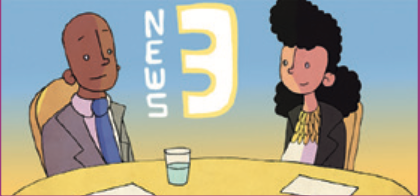
News programme pictureImage pending
Type: news
Talent show programme pictureImage pending
Type: talent show

Easy to mix up

sitcom = funny story, same people, everyday places

drama series = serious story, episodes

soap opera = very long drama about families and relationships

reality show = real people in situations or challenges

talent show = people show a skill

game show = people play games or answer questions

sitcom 更偏“搞笑情景”

drama series 更偏“连续剧情”

soap opera 更偏“很长的家庭/关系剧”

reality show 看真实的人和任务

talent show 看才艺表演

game show 看游戏或答题比赛

Task 2: Sort by programme function

Click a programme chip. Then choose a group.

Story programmes

Real people / performance / competition

Information / live events

Task 3: Choose for a situation

Click a programme chip, then click a blank.

When I want to relax, I would choose .
When I watch with my family, I would choose .
When I only have ten minutes, I would choose .
When I want to know what is happening, I would choose .
When I want something exciting, I would choose .
Speaking

Exercise 10: Talk about programmes.

1 What kind(s) of programmes do you really like?

I usually watch ______ on ______.

2 What kind(s) of programmes do you really NOT like?

I don’t really watch ______ because ______.

3 What’s your favourite programme at the moment? Why?

At the moment, my favourite programme is ______.

4 What’s your least favourite programme at the moment? Why?

I watch ______ more often than ______.

5 How do you watch TV programmes — on TV, on your phone, on a tablet …?

I can watch it more easily on ______ because ______.

I watch ______ more often than ______.

I can watch ______ more easily on ______.

I don’t watch ______ as often as ______.

I prefer ______ because it is more relaxing / more exciting / easier to understand.

Writing / Exit Ticket

My Programme Profile

I usually watch programmes on my phone. I watch cartoons more often than drama series because they are easier to understand. I don’t really watch soap operas because they are too long. At the moment, my favourite programme is a talent show. I can watch it more easily on a streaming app because I can choose the time.
Our programme profile